5.12: CPC Exam: Anatomy and Physiology
You'll be thoroughly tested on human anatomy and physiology on the CPC exam. While not a comprehensive review, this video will provide you with study tips to prepare for the exam.

Section 5.01
What is the CPC Exam?
Section 5.02
General Preparation and Test Strategies for the CPC Exam
Section 5.03
CPC Exam: Anesthesia
Section 5.04
CPC Exam: Radiology
Section 5.05
CPC Exam: Medicine
Section 5.06
CPC Exam: The Nervous System
Section 5.07
CPC Exam: The Endocrine System
Section 5.08
CPC Exam: The Digestive System
Section 5.09
CPC Exam: The Urinary System
Section 5.10
CPC Exam: The Musculoskeletal System
Section 5.11
CPC Exam: Evaluation and Management
Section 5.12
CPC Exam: Anatomy and Physiology
Section 5.13
CPC Exam: Mediastinum and Diaphragm
Section 5.14
CPC Exam: Practice Management
Section 5.15
CPC Exam: Male and Female Genital System
Section 5.16
CPC Exam: Hemic and Lymphatic System
Section 5.17
CPC Exam: Maternity and Delivery
Section 5.18
CPC Exam: Eye and Ocular Adnexa
Section 5.20
CPC Exam: HCPCS Level II
Section 5.21
CPC Exam: Coding Guidelines
Section 5.22
CPC Exam: Medical Terminology
Section 5.23
CPC Exam: Pathology and Laboratory
Section 5.24
CPC Exam: Integumentary
Section 5.25
CPC Exam: Respiratory System
Section 5.26
CPC Exam: Cardiovascular System
Section 5.27
CPC Exam: Where to Take an Exam
Section 5.28
The CPC Apprentice Program
Section 5.29
The CPB Exam

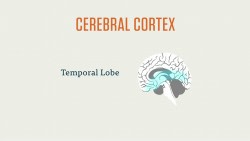
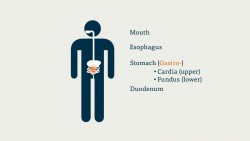
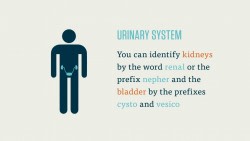


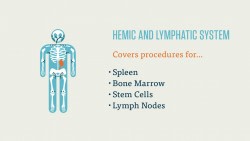
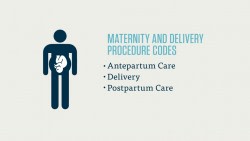
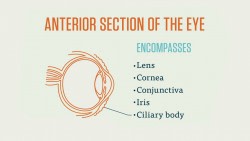



Anatomy is the study of the human body, while physiology is the study of how that body works. It's a huge subject, and one that gets its proper due on the CPC exam.
There will be approximately 10 questions on the CPC exam on anatomy and physiology. (This, again, is not an exact number, as the AAPC does not release the number of questions on each subject). That's a relatively high number, about as many as there will be on Medicine, Radiology, and the other major CPT sections.
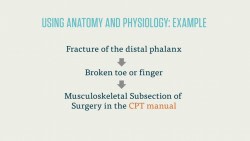
On the CPC exam, you'll use your knowledge of anatomy and physiology to navigate through the CPT manual. Remember, you'll use your CPT manual far more often than you will the ICD-10-CM manual or HCPCS manual. If you know the terminology for the human body, you'll recognize "fracture of the distal phalanx," as a broken toe or finger, and move to the musculoskeletal subsection of Surgery.
Check out the ebook for a list of vocabulary and their corresponding body parts. If you'll recall, these terms appear in Section 2's video on human anatomy. You can refer to that video for more information on human anatomy.
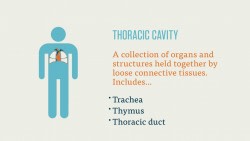
Unfortunately, it'd be impossible to review the anatomy and physiology of the human body in this short course. Documenting the organ systems, and how they function, would take up hundreds of pages.
As such, it's a very good idea to take an anatomy and physiology (or medical terminology) course before you take the CPC exam. On the plus side, you'll probably learn plenty about medical terminology in an anatomy and physiology course, and vice versa, so you won't need to double-up.
You've also already got some study materials, whether you know it or not. As we've mentioned in previous courses, your CPT manual is full of helpful illustrations and diagrams. In the introduction to the manual, you'll find a list of illustrations and their page numbers. Ideally, by the time you take the exam you'll be familiar enough with anatomical terminology that you won't need to rely on these illustrations, but they're there for your perusal before the test and for any last minute double-checks in the middle of the exam.